Cracked Heels in Winter: Causes, Remedies, and Prevention
Cracked heels in winter are a common but painful problem. Learn the primary causes of dry feet and discover effective remedies and prevention tips to restore your skin's health.


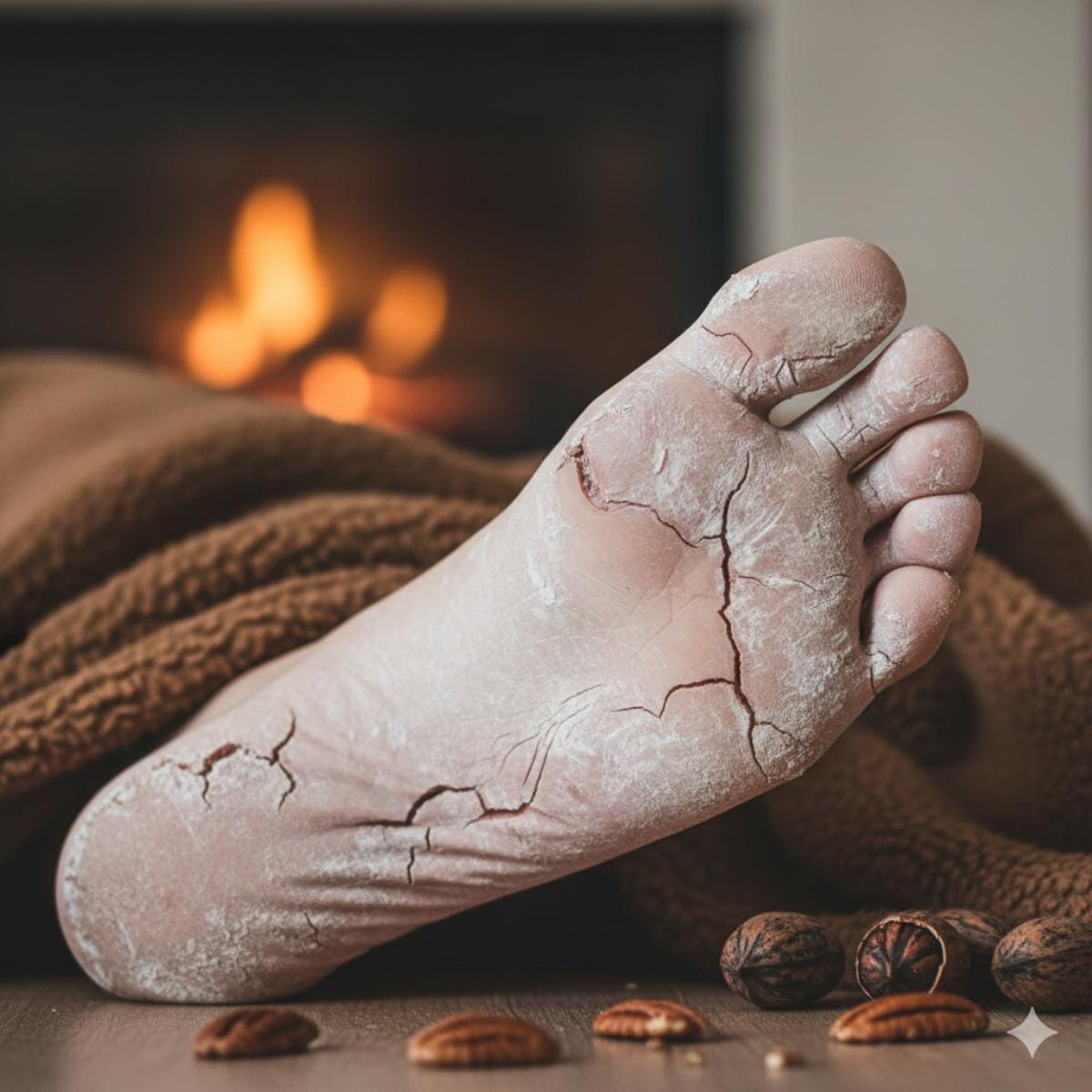
Cracked heels are a common problem during winter, affecting people of all ages. The cold weather, low humidity, and lifestyle habits can strip moisture from the skin, making heels dry, rough, and sometimes painfully cracked. If left untreated, cracked heels may deepen, bleed, or even lead to infections.
In this article, we will explore why cracked heels worsen in winter, effective home remedies, and preventive care tips to keep your feet healthy, smooth, and comfortable throughout the cold season.
Why Do Cracked Heels Get Worse in Winter?
During winter, the air holds less moisture, which causes the skin to lose hydration quickly. The skin on our heels is naturally thicker and lacks oil glands, making it more prone to dryness.
Common causes include:
- Cold, dry weather and low humidity
- Walking barefoot on cold or hard surfaces
- Hot water baths that remove natural skin oils
- Using harsh soaps or chemical-based cleansers
- Wearing open-back or ill-fitting footwear
- Standing for long hours on hard floors
Over time, dryness leads to hard skin formation, and pressure causes the skin to split, resulting in cracked heels.
The Science Behind Heel Cracks
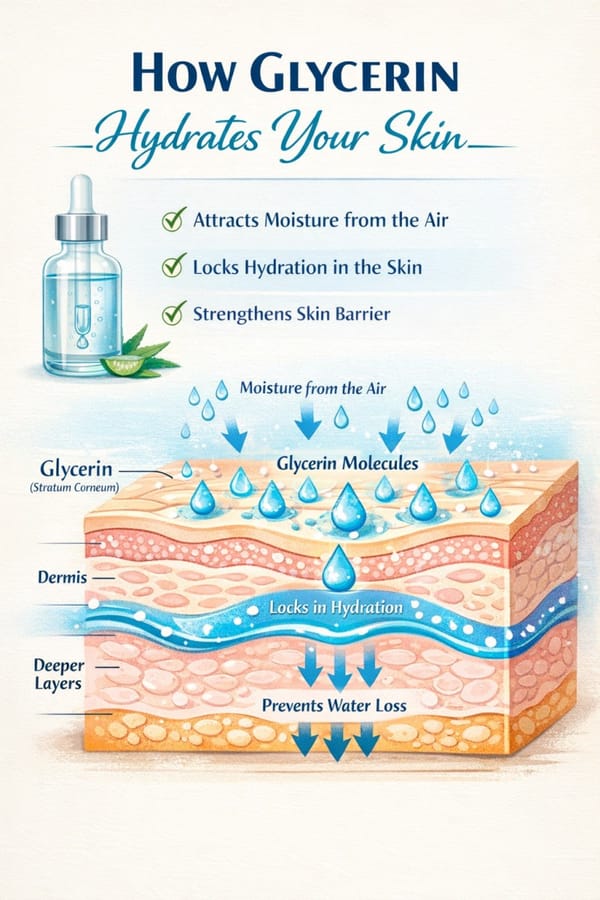
The outermost layer of skin (stratum corneum) acts as a protective barrier. In winter, this barrier weakens due to moisture loss. As elasticity reduces, the skin becomes rigid and unable to stretch, leading to cracks under pressure.
This is why regular moisturization and barrier repair are essential during colder months.
Effective Home Remedies for Cracked Heels
1. Deep Moisturizing with Natural Oils
Applying coconut oil, olive oil, or almond oil before bedtime helps restore moisture. Wear cotton socks overnight to enhance absorption.
2. Foot Soak and Gentle Exfoliation
Soak feet in lukewarm water for 10–15 minutes. Use a pumice stone gently to remove dead skin. Avoid aggressive scrubbing.
3. Urea or Lactic Acid-Based Creams
These ingredients help soften thick skin and improve hydration. Apply twice daily for best results.
4. Honey Treatment
Honey has natural moisturizing and antibacterial properties. Applying honey for 20 minutes before rinsing can help heal minor cracks.
Common Myths About Cracked Heels
- Myth: Cracked heels only happen due to poor hygiene
Truth: Even clean feet can crack due to dryness and weather conditions. - Myth: Any cream will fix cracked heels
Truth: Thick, targeted moisturizers are needed for heel skin.
How to Prevent Cracked Heels in Winter
- Moisturize feet twice daily, especially after bathing
- Avoid very hot water on feet
- Use mild, soap-free cleansers
- Wear closed, cushioned footwear
- Drink enough water to maintain hydration
- Use a humidifier indoors if possible
Consistency is the key to prevention.
Lifestyle Factors That Matter
Daily habits play a big role. Hard water, synthetic footwear, prolonged standing, and neglecting foot care can worsen heel cracks. Small changes in routine can bring noticeable improvement.
Final Thoughts
Cracked heels in winter are common but completely manageable. With the right care, awareness, and consistency, you can keep your feet soft, healthy, and pain-free throughout the season. Paying attention to foot health is not cosmetic—it’s an important part of overall well-being.
Astrological Perspective (Quoted Insight)
"Cracked heels are often considered a sign that immediate attention is needed, as many traditional beliefs link healthy feet to prosperity and well-being. Prompt care and healing are said to restore balance and invite positive energy into one's life."

This serves as a gentle reminder to take foot care seriously and heal cracked heels as soon as possible.
When Should You See a Doctor?
Consult a healthcare professional if:
- Cracks are deep, bleeding, or painful
- There are signs of infection (redness, swelling, discharge)
- You have diabetes or circulation issues
Medical guidance is essential in such cases to avoid complications.
Conclusion
Cracked heels in winter are a common but preventable problem. With proper hydration, regular moisturizing, and simple home remedies, you can keep your heels soft, healthy, and pain-free throughout the winter season.
⚠️ This article is for general informational purposes only and does not replace professional medical advice. Always consult a healthcare professional for serious or persistent conditions.
FAQ Section
Q1. Why do heels crack more in winter?
Cold weather reduces skin moisture, making heel skin dry, thick, and prone to cracking.
Q2. Are cracked heels dangerous?
Mild cracks are usually harmless, but deep cracks can cause pain and infections if untreated.
Q3. Can home remedies cure cracked heels?
Yes, mild cases respond well to regular moisturization and gentle exfoliation.
Q4. How long does it take to heal cracked heels?
With proper care, improvement can be seen within 1–2 weeks.
Q5. Should diabetics worry about cracked heels?
Yes. Diabetics should seek medical advice early to avoid complications.